

DSLR vs Mirrorless for Wildlife Photography in 2026: Progress, Power & Personal Preference

Algonquin Provincial Park - Photographing Moose & Bears - Canon R3 RF 100-500 L IS & 1DX MK III & EF 500mm F4 L IS MK II
In 2026, the debate between DSLR and mirrorless cameras is less about which is “better” and more about how you want to work in the field. I use both systems regularly, and after more than 40 years shooting Canon starting in the film era. I’ve seen technology evolve in ways I could never have imagined. The advancements are mind-blowing. But are the images better? Not necessarily. And that’s where the conversation gets interesting.
The Image Quality Myth
Let’s start with the obvious: in good light, with comparable lenses and sensors, the final image from a high-end DSLR and a modern mirrorless camera is almost impossible to tell apart. If I show you a photograph taken on a DSLR versus one taken on mirrorless, you’d struggle to identify which is which. Resolution, dynamic range and colour science at the professional level are exceptional across both systems.
The magic isn’t in the body, it’s in the photographer.
Mirrorless: Technological Revolution
Mirrorless cameras have changed wildlife photography dramatically. Stacked sensors, blackout-free shooting, and AI-driven subject detection with advanced eye and animal tracking have revolutionised how we capture images. Autofocus systems today are insanely good. They lock onto birds in flight, track mammals through dense woodland, and maintain focus in ways that would have seemed impossible a decade ago.
There’s no denying this technology has lowered the barrier to entry. The skill required to acquire a technically sharp image is lessened when the camera does so much of the heavy lifting. For some, that’s empowering. It helps new photographers get results faster and with less frustration—and that’s a good thing.
For me personally, I like the challenge. I enjoy working for an image. There’s something deeply satisfying about anticipating behaviour, manually selecting focus points, and earning the shot.
That said, one of the main reasons I switched to mirrorless was IBIS (In-Body Image Stabilisation) and high-quality video. IBIS has been a huge advantage in low-light wildlife scenarios and when shooting handheld. And for YouTube and filmmaking, mirrorless systems are simply ahead. Internal log profiles, high bit-rate codecs, advanced frame rates, and reliable video autofocus make them incredibly versatile tools.
But perhaps the biggest game changer of all: silent shutter technology.
Silent shooting has transformed how I photograph sensitive subjects—owls, shy mammals, and easily stressed species. When wildlife hears a mechanical shutter, behaviour changes instantly. Movements become alert, unnatural, sometimes stress-driven. If you know, you know. Silent shutter allows me to capture authentic, relaxed behaviour. For me, that alone is worth the upgrade.
The Mirrorless Downsides
However, mirrorless cameras aren’t perfect.
Battery life is one of the biggest drawbacks. The electronic viewfinder (EVF) requires constant power. You’re effectively looking at a tiny screen the entire time. Compared to a DSLR’s optical viewfinder which uses zero power, the battery drain is significant. On long days in the field, especially in cold conditions, that matters.
With a DSLR, I often use it as a pair of binoculars. I can look through the optical viewfinder continuously without draining a battery. Using the manual focus ring, I scan and observe wildlife, saving me from carrying binoculars and reducing overall weight in my kit. That’s a genuine, practical advantage.
Mirrorless cameras are also more electronic by nature. They’re essentially advanced computers with a sensor attached. The more electronics involved, the more potential points of failure. I’ve experienced occasional glitches, overheating during extended video sessions, and unexpected errors. DSLRs, particularly professional bodies like my Canon 1DX Mark III and Mark II, feel like mechanical tanks in comparison.
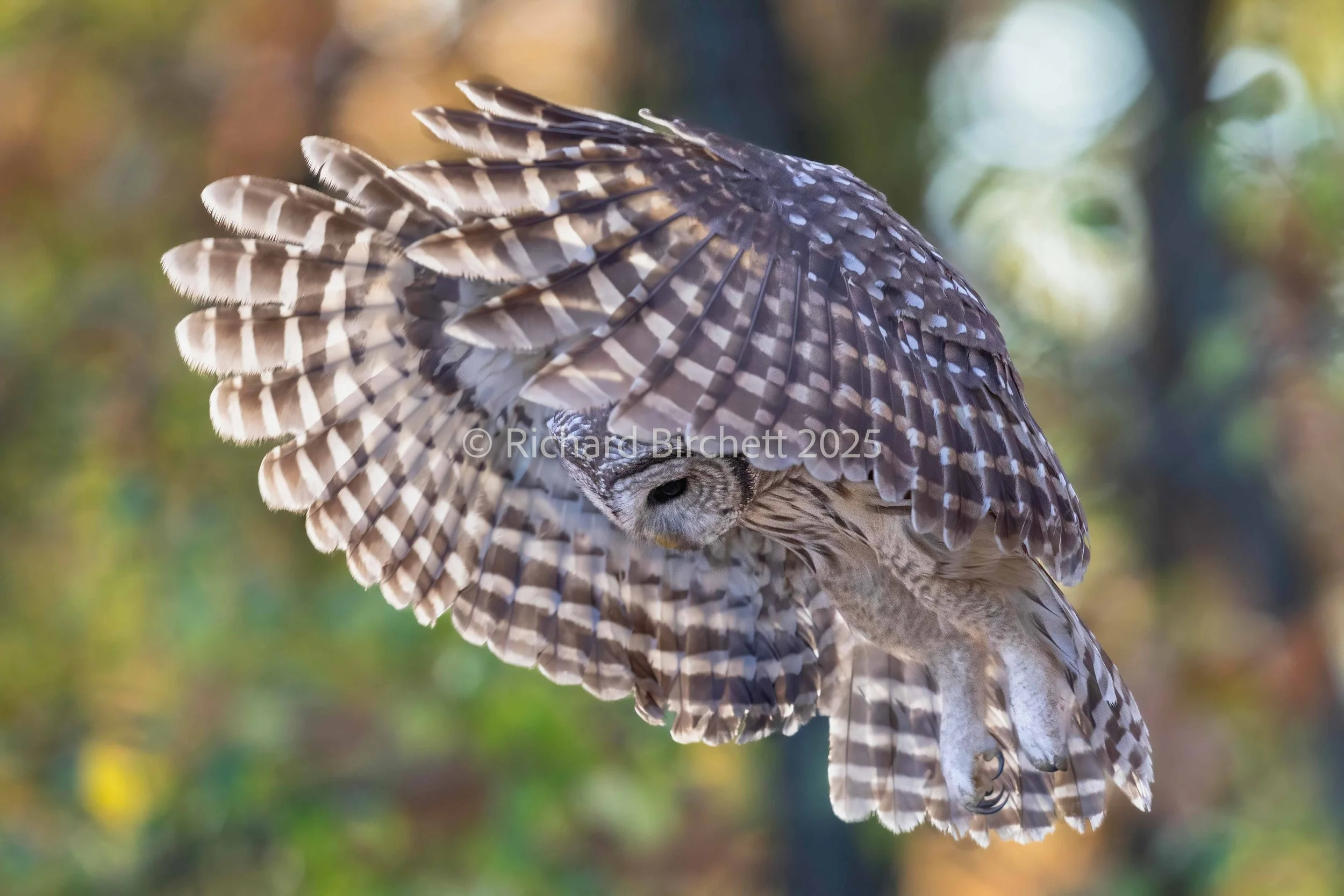
Sensitive Subjects - Barred Owl Hunting - Canon R3 - RF 100-500 L IS
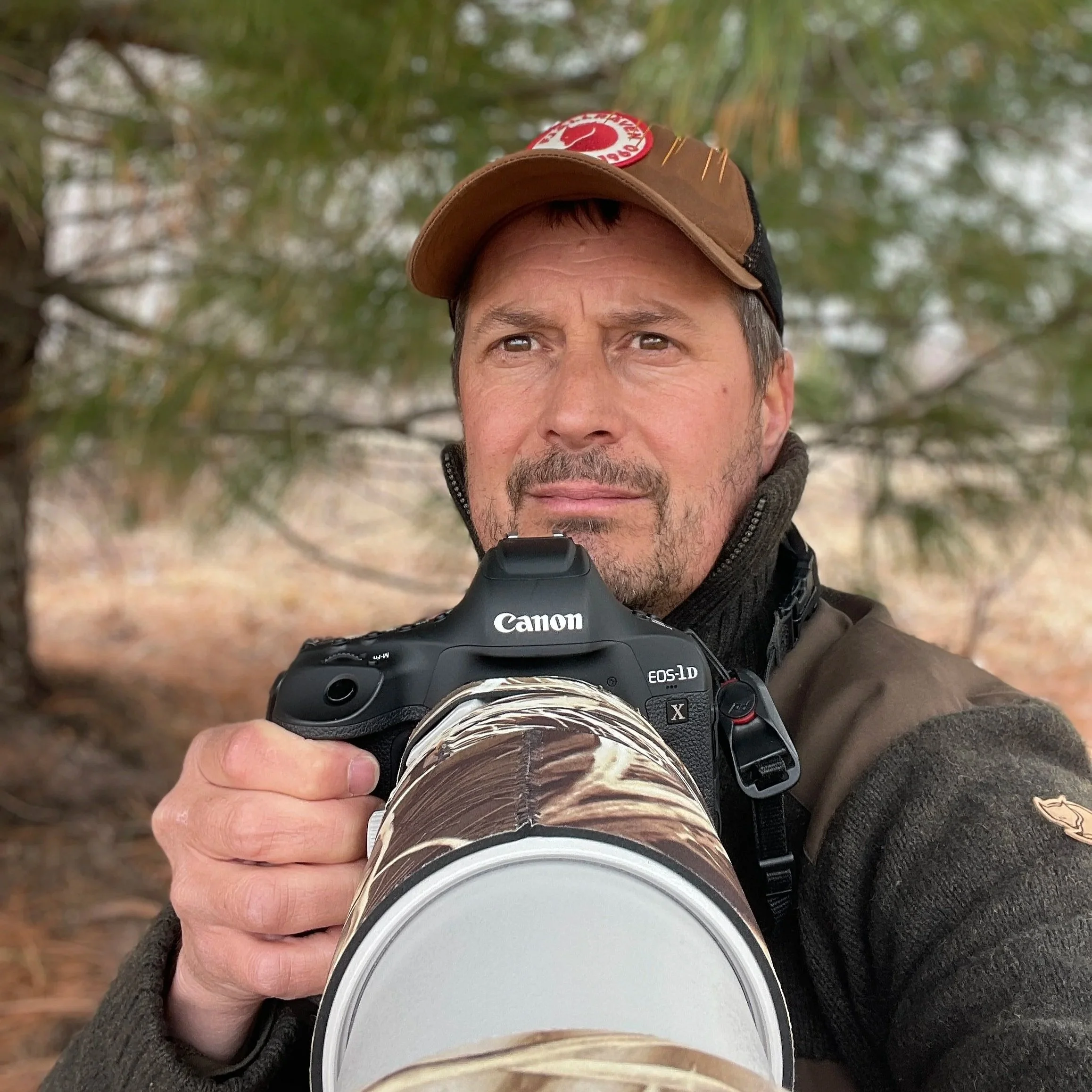
Canon 1DX MK III - EF 100-400 L IS MK II
DSLRs: Reliability & Build
Professional DSLRs were built to endure. Weather sealing, dust resistance, salt spray tolerance, and sheer physical durability are second to none. That’s why pro bodies are expensive—not because they magically make you better, but because they can handle whatever nature throws at them.
The optical viewfinder offers a natural, lag-free view with no digital artefacts, no refresh rate, and no blackout. There’s something pure about seeing the world directly through the lens. For action photography, that real-time clarity still holds value.
However, DSLRs are heavier, bulkier, and lack many of the computational advantages of mirrorless systems. They don’t offer silent shooting, and their autofocus systems while still highly capable can’t match modern AI tracking.
So Which Do I Use?
Truthfully, I use my mirrorless cameras more often now because of IBIS, video capabilities, and silent shutter advantages. But when the subject and situation allow, I always make time to use my DSLRs, often my Canon 1DX Mark II or Mark III. There’s a connection there. A feeling. A discipline.
This isn’t about condemning new technology. The advancements are incredible and have opened doors for many photographers. But the latest and greatest gear does not guarantee results. A professional camera doesn’t make a professional photographer.
The bottom line? It’s not the camera or the lens—it’s the person behind it. Skill, patience, fieldcraft, understanding animal behaviour, light, composition—these create compelling wildlife images.
This is only my personal opinion. You must use what works for you and your style of photography. Choose the tool that supports your vision, not the one that marketing tells you is essential.
I’d love to hear your thoughts—are you team DSLR, team mirrorless, or somewhere in between? Leave a comment below and let’s start a conversation.