
How Wildlife Photography Has Changed — And What Four Decades Have Taught Me
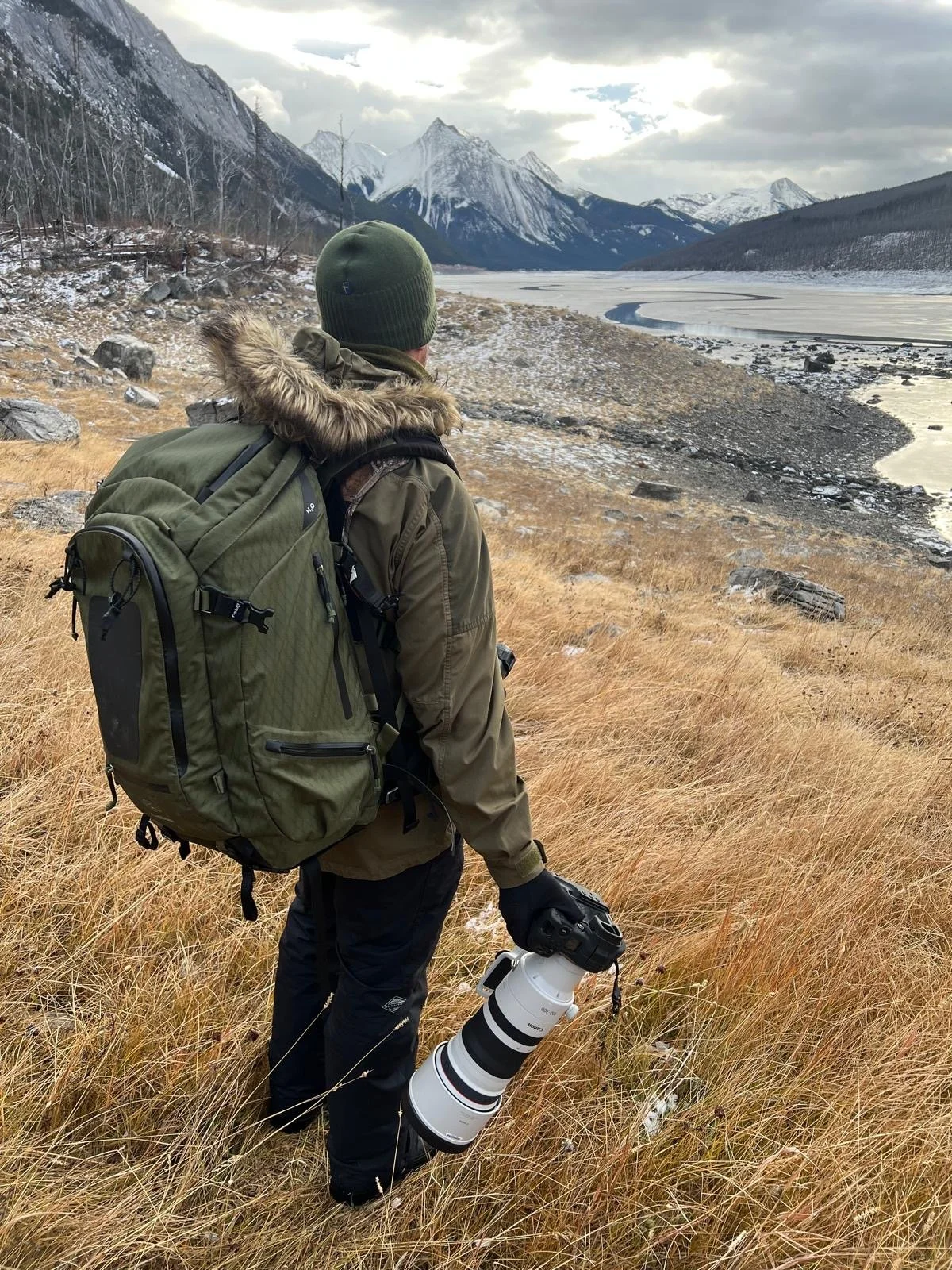
Medicine Lake - Jasper Alberta Canada
Over the past few years, especially since the COVID outbreak, wildlife photography has exploded in popularity. More people discovered the solace of nature during lockdowns, and many turned that new connection into a hobby — or even a profession. In many ways, it’s wonderful to see more people outdoors, cameras in hand, appreciating the natural world. But after forty years behind the lens, I’ve witnessed a shift that hasn’t always been positive.
When I started, wildlife photography felt like a community. Photographers shared knowledge freely, traded fieldcraft tips, and encouraged one another. Ethics were the backbone of the craft: the welfare of the animal always came first. But as social media has grown, so has the hunger for attention — more likes, more followers, more praise. Sadly, that shift has pushed some photographers to prioritise getting the shot over respecting their subject. I’ve written a separate blog post diving deeper into this decline in ethics, because it’s something that truly concerns me.
Personally, I’ve always tried to help others — whether answering questions about species, offering fieldcraft guidance, or giving advice on ethical practices. But over the years, I’ve seen people reach out for help and support, rise through the ranks, and then quietly unfollow or distance themselves once they felt they’d “made it.” Some have even watched my videos or visited my locations, only to claim credit for the discoveries and the work that went into them. I know who these people are, and it saddens me. The very idea of using someone, then dropping them when convenient, goes against everything I believe this craft should stand for.
Competition has become constant. For some, the joy of simply being in nature has been replaced with the race to post something more dramatic, more striking, more attention-grabbing — even if it means cutting ethical corners. Yet despite these changes, I remain committed to my principles. My ethics won’t falter. I’ll always put wildlife first, and I’ll always support those who approach this craft with respect and sincerity.
One of the most painful moments came from someone I admired and followed for many years — a friend I respected deeply. Out of nowhere, they sent me an email accusing me of copying their style, questioning my conduct, and claiming I had “manufactured” success with companies by pushing my way in. Their words shocked me to the core. I have always had my own unique style, and I’ve never tried to emulate anyone. I’ve worked hard in a profession that is anything but easy, and in today’s world — filled with incredibly talented photographers — it’s harder than ever. I’ve never seen myself as an elitist, just an average professional who loves nature and stays true, faithful, and kind.
And thankfully, there are still many wonderful, loyal, genuine people out there. Supporters who have stayed with me from my early days in the UK to my move to Canada. Their presence reminds me that not everyone is out to use you, and that the heart of wildlife photography — the love of nature — still beats strongly in many.
Thanks for stopping by for another Blog, if you’d like to leave a comment you can in the comments section below.
Thanks Rich