


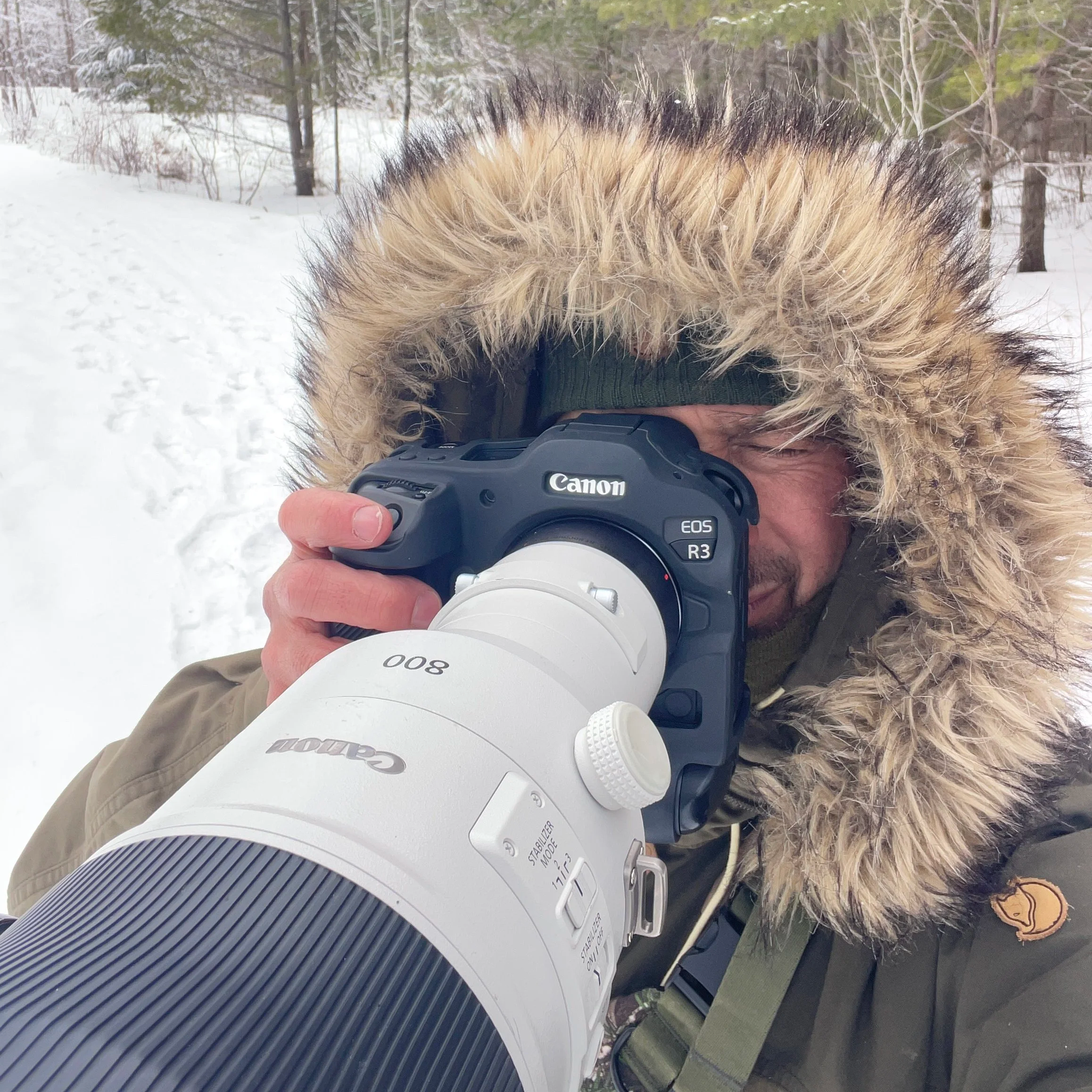
Canon EF 800mm f/5.6L IS vs RF 800mm f/5.6L IS – A Real-World Wildlife Perspective
Super-telephoto lenses occupy a very special place in photography and videography. The 800mm focal length, in particular, is a tool that allows you to capture wildlife at a safe distance, observe natural behavior, and isolate subjects in a way shorter focal lengths simply cannot. For me, capturing a bear, wolf, or bird of prey without disturbing them is invaluable. Having used the Canon EF 800mm f/5.6L IS for over six months, I recently had the opportunity to test the newer Canon RF 800mm f/5.6L IS in a rigorous field and video comparison, thanks to Canon Canada for loaning me the RF lens.
Why I Believe Using Harvest Mice as Photographic Props Is Unethical and Cruel
As a wildlife photographer for over 40 years, I have always believed that our role is to document, not to direct. Recently, I’ve seen a growing trend of using small species such as the harvest mouse as staged photographic props and some handled and carefully placed on flowers, teacups, or other “cute” setups to create highly marketable images.
I want to be very clear: I believe this practice is unethical, and in many cases, cruel.
This isn’t about creative differences. It’s about animal welfare, honesty in storytelling, and the integrity of wildlife photography as a profession.
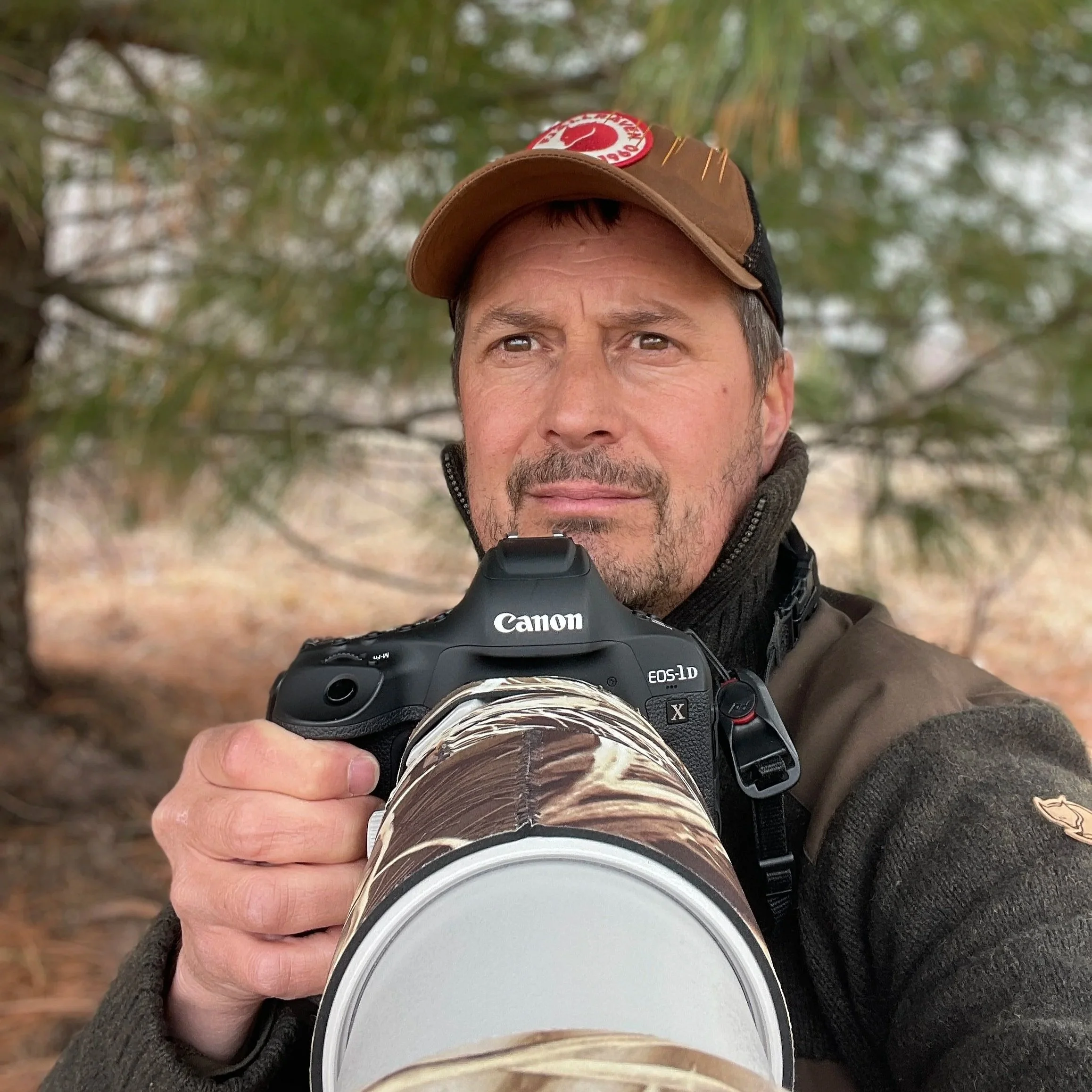
DSLR vs Mirrorless for Wildlife Photography in 2026: Progress, Power & Personal Preference
In 2026, the debate between DSLR and mirrorless cameras is less about which is “better” and more about how you want to work in the field. I use both systems regularly, and after more than 40 years shooting Canon starting in the film era. I’ve seen technology evolve in ways I could never have imagined. The advancements are mind-blowing. But are the images better? Not necessarily. And that’s where the conversation gets interesting.
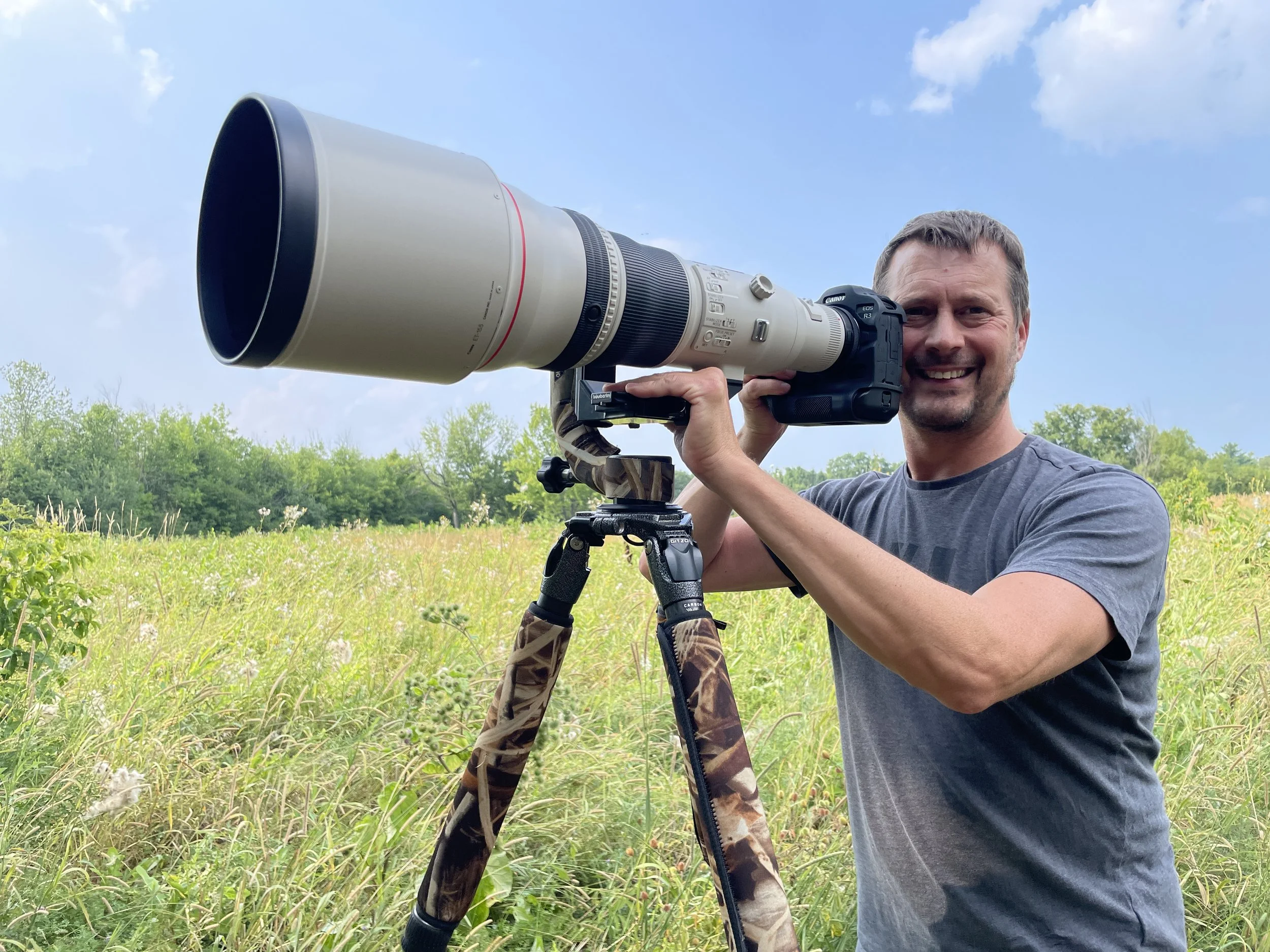
Canon EF 800mm f/5.6L IS USM Review
Super-telephoto lenses are tools of specialisation. They aren’t impulse purchases, and they aren’t casual additions to a kit. When you commit to 800mm, you’re committing to a very specific way of working — one built around distance, patience, fieldcraft, and intentional composition.
After considerable thought and research, I purchased the Canon EF 800mm f/5.6L IS USM. This article goes beyond surface-level impressions and dives into why I chose it, how it performs technically, and why it continues to be a relevant and powerful option even in Canon’s RF era.
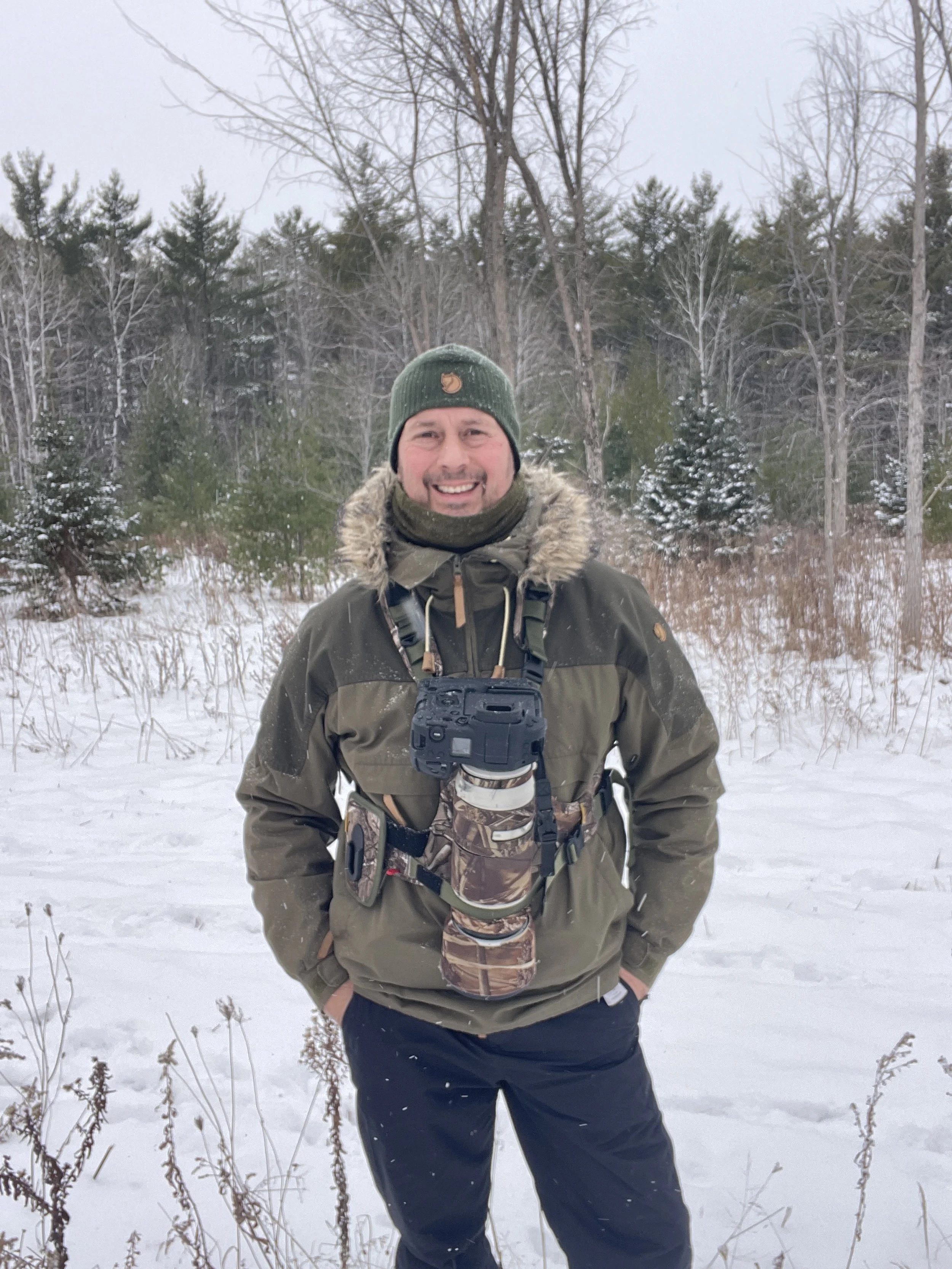
Ethics, Pressure, and Staying True to Your Wildlife Photography in 2026
As we move into 2026, social media continues to shape how wildlife photography is viewed, judged, and valued. Incredible images appear daily, and it’s easy to feel overwhelmed or discouraged, wondering if you’ll ever reach that level. I’ve felt it myself. But it’s important to pause and ask: how was that image actually made?
Was it photographed in the wild under natural conditions? Was it taken at a baited hide? Was AI used? Or was the scene staged in some other way? These questions matter more than ever.
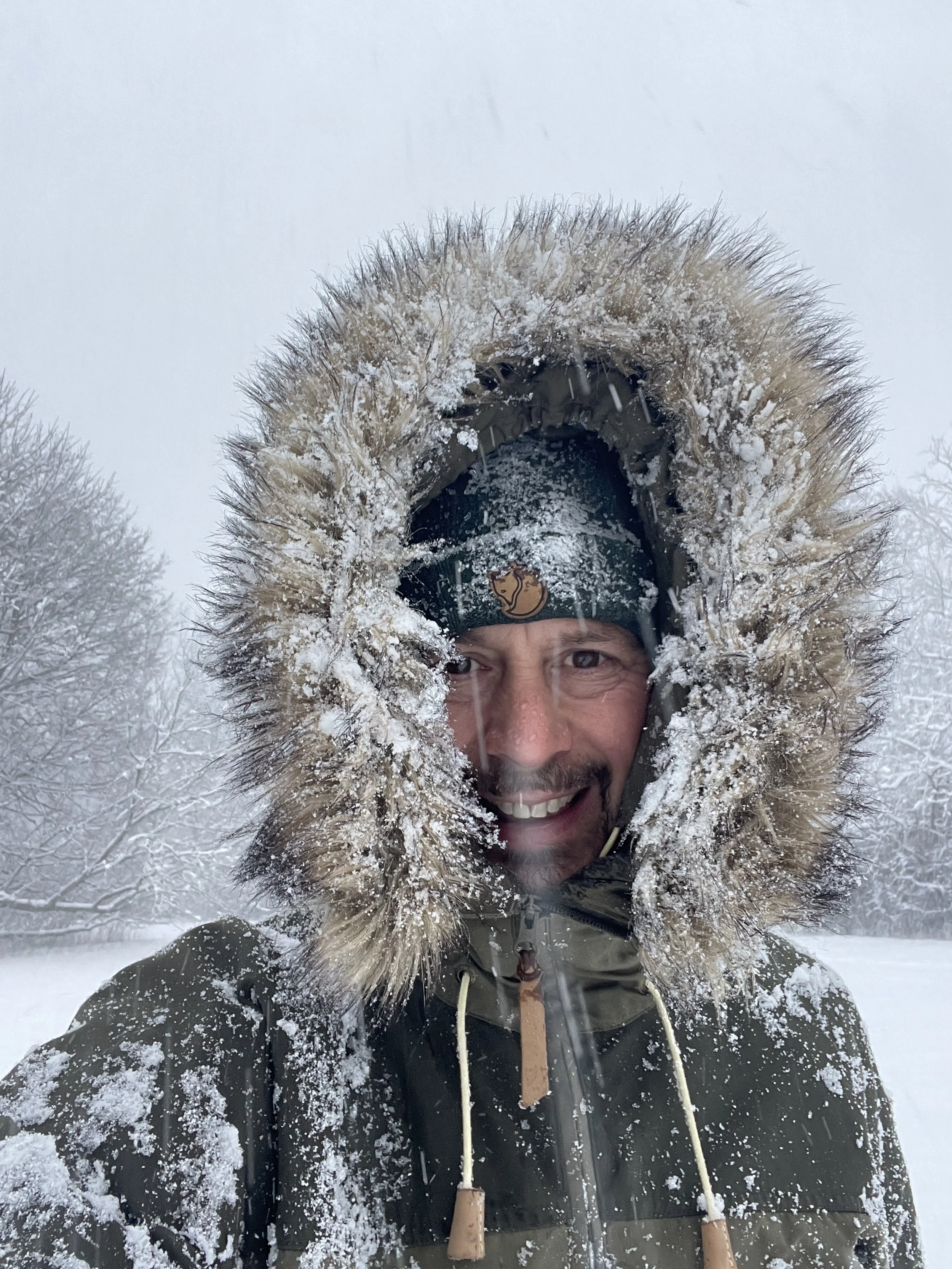
Chasing Winter Light: A Wildlife Photographer’s Guide to Shooting in Snow
Photographing wildlife in snowy environments is one of the most rewarding experiences a photographer can have, but it comes with its own set of technical, environmental, and personal challenges. Snow simplifies landscapes, amplifies light, and creates incredible atmosphere, yet it can confuse camera meters, strain equipment, and quickly expose any gaps in preparation. With the right approach, winter conditions can elevate your wildlife imagery to a whole new level.
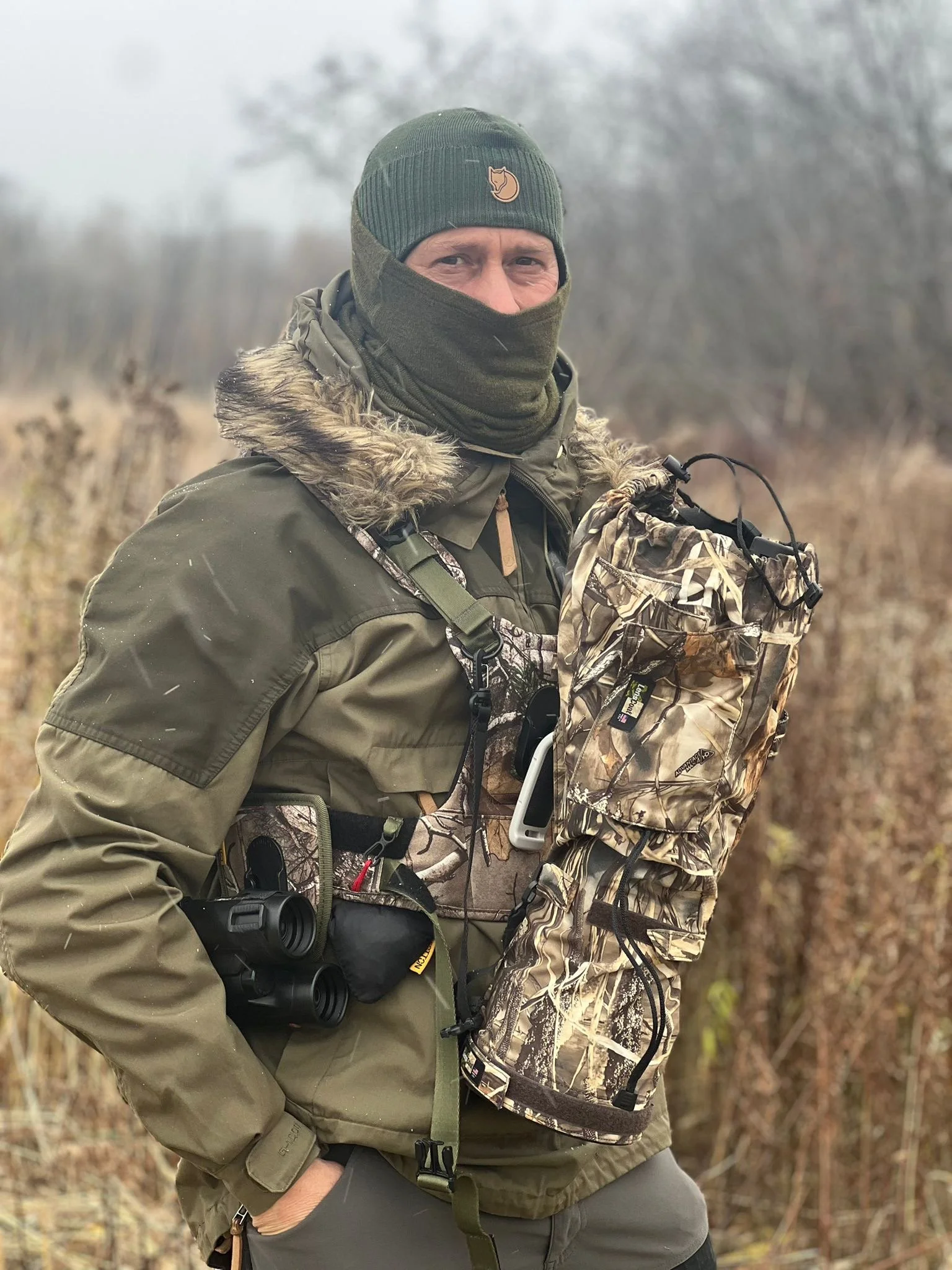
A Field-Tested Review of the Cotton Carrier G3 Harness System (Realtree Camo) With Bino Attachment
When you spend most of your year trekking through jungles, coastlines, mountains, and forests with a camera in hand, you quickly learn which pieces of kit earn their place—and which don’t. After years of leading photography tours in the jungles of South America, photographing along the Cornish Coast, braving Scotland’s rugged highlands, and traveling more than 5,000 km from Ottawa to Vancouver Island, only a select few tools have become truly indispensable.
The Cotton Carrier G3 Harness System, paired with the Binocular Bracket, is one of them. In fact, it has become an extension of my body. We often overuse the term game changer, but in this case, it’s genuinely deserved.
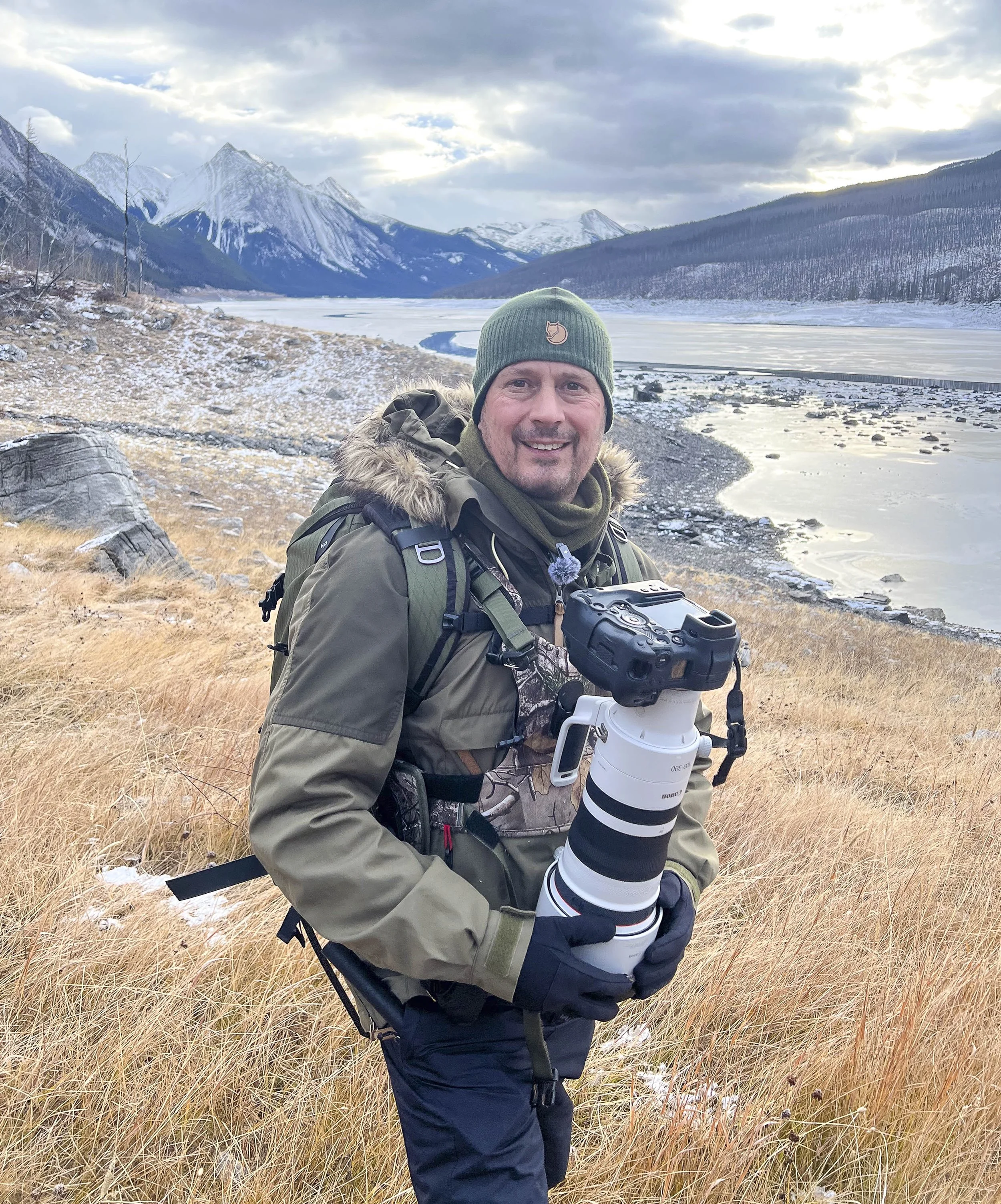
Riding The Canadian: Testing the Canon RF 100–300mm f/2.8L IS - on a Transcontinental Journey
Travelling from Ottawa to Vancouver Island aboard VIA Rail’s legendary transcontinental route—The Canadian—is an experience that blends nostalgia, wilderness, and sheer geographic scale. Over two weeks, I crossed the entire breadth of the country with a rare opportunity in hand: a loaned Canon RF 100–300mm f/2.8L IS, one of Canon’s fastest and most versatile telephoto zooms. What better proving ground than a journey through six provinces, endless forests, prairies, mountains, and some of Canada’s most dramatic wildlife encounters?
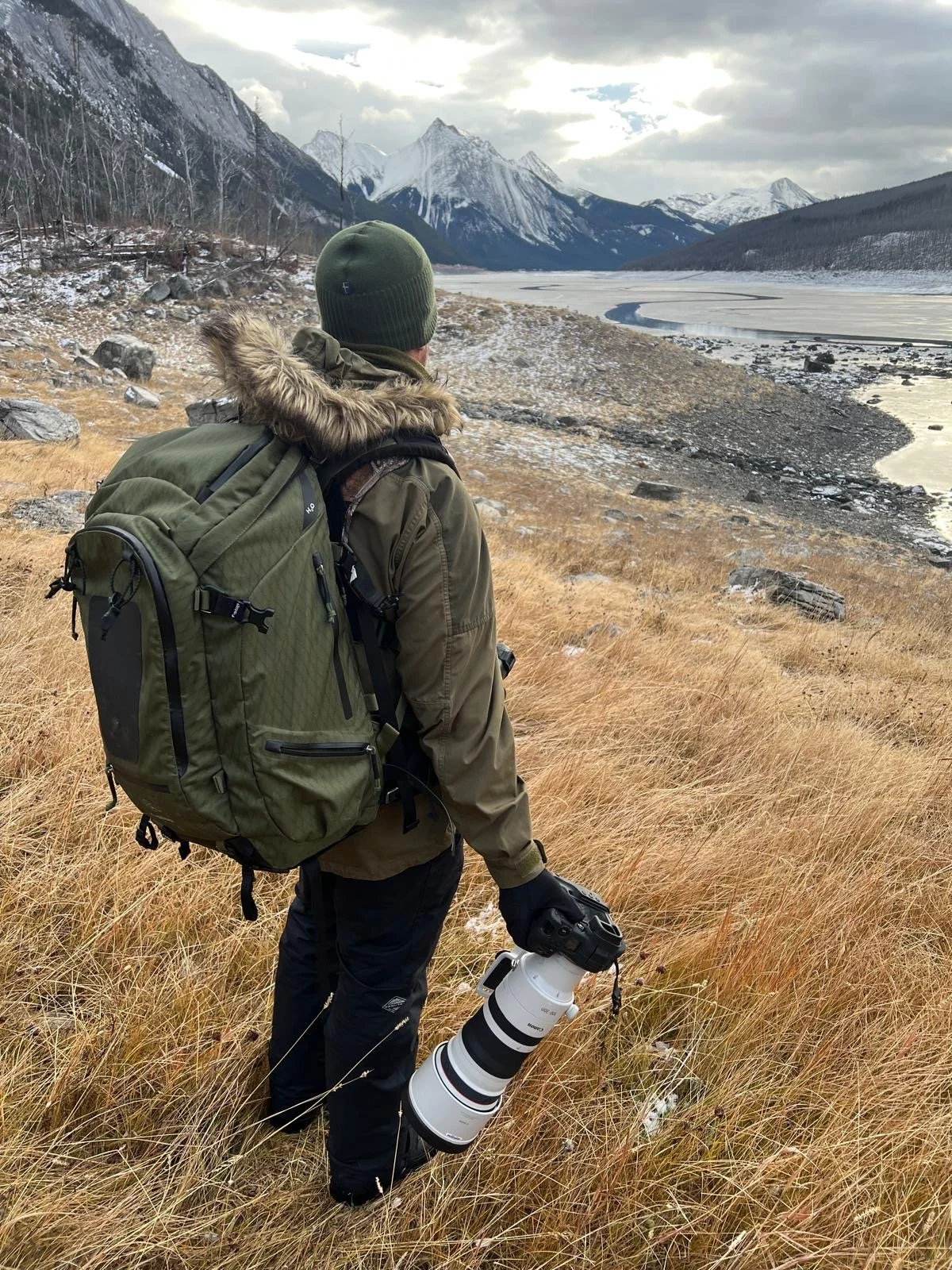
How Wildlife Photography Has Changed — And What Four Decades Have Taught Me
Since the COVID outbreak, wildlife photography has grown at a pace I never expected. Lockdowns pushed people outdoors, searching for peace, purpose, and new passions — and many found all three through the lens. In some ways it has been wonderful; more people are discovering the natural world and expressing its beauty. But after forty years in this field, I’ve seen changes that are not always easy to accept.

The Hen Harrier and the Northern Harrier: Similar in Flight, Divided by Oceans
The Hen Harrier (Circus cyaneus) and the Northern Harrier (Circus hudsonicus) are two strikingly similar birds of prey that embody both beauty and conflict in the natural world. Once considered a single species, but since 2017 they now represent two distinct lineages divided by the Atlantic Ocean. Each hunts low over open ground, moving with graceful, buoyant wingbeats, but their fates have diverged sharply.